Income accounts, split by product line
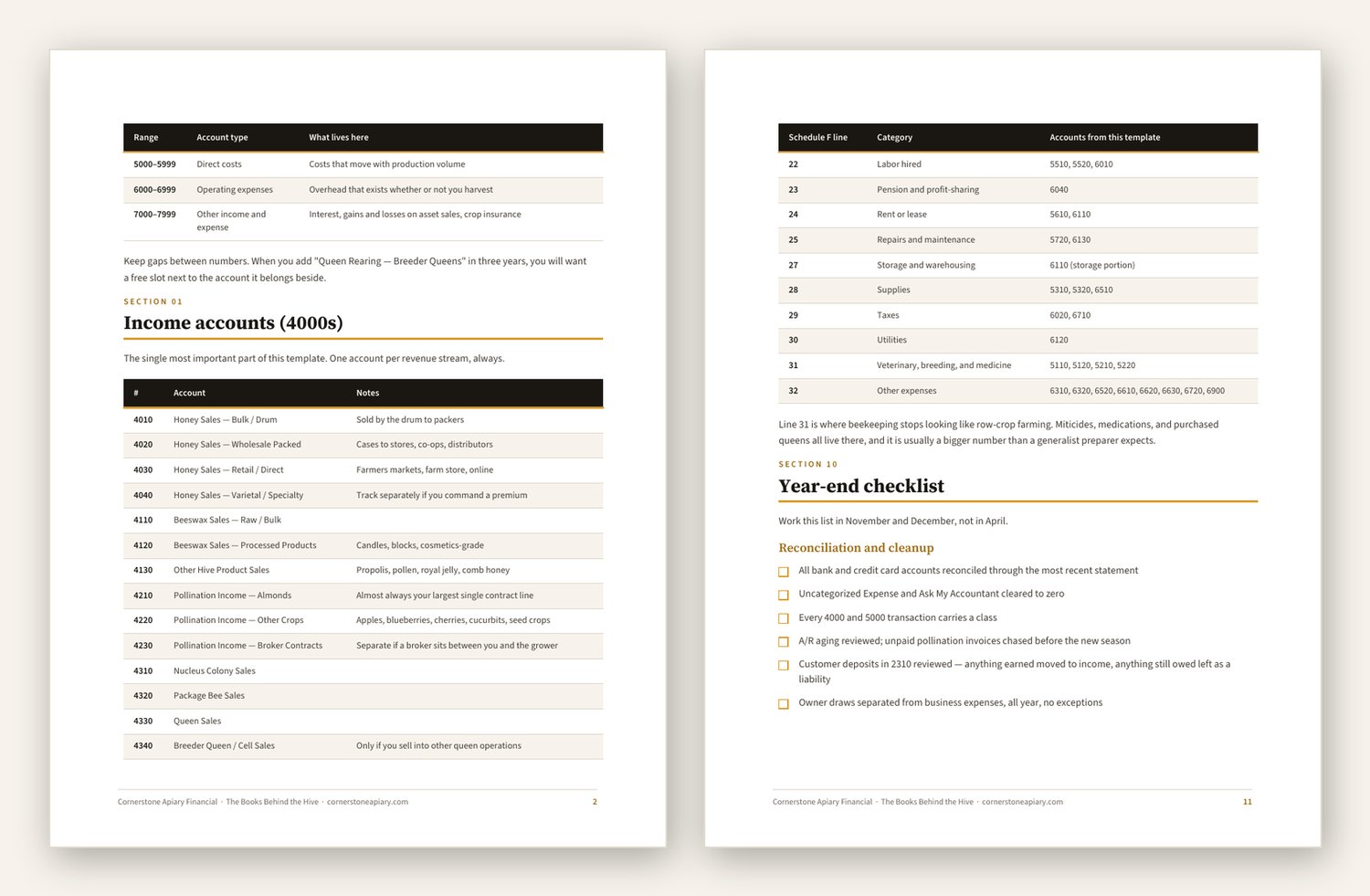
Nineteen accounts covering bulk and packed honey, wax, propolis and pollen, almond and other pollination, nucs, packages, queens, custom extracting, and program payments.
Free QuickBooks template · Commercial apiaries
Most beekeeping operations run on a chart of accounts designed for a retail store. It files a tax return. It doesn't tell you whether honey, nucs, or pollination is paying the bills.
This is the account structure we build for commercial apiaries — the whole thing, free, no strings.
The problem
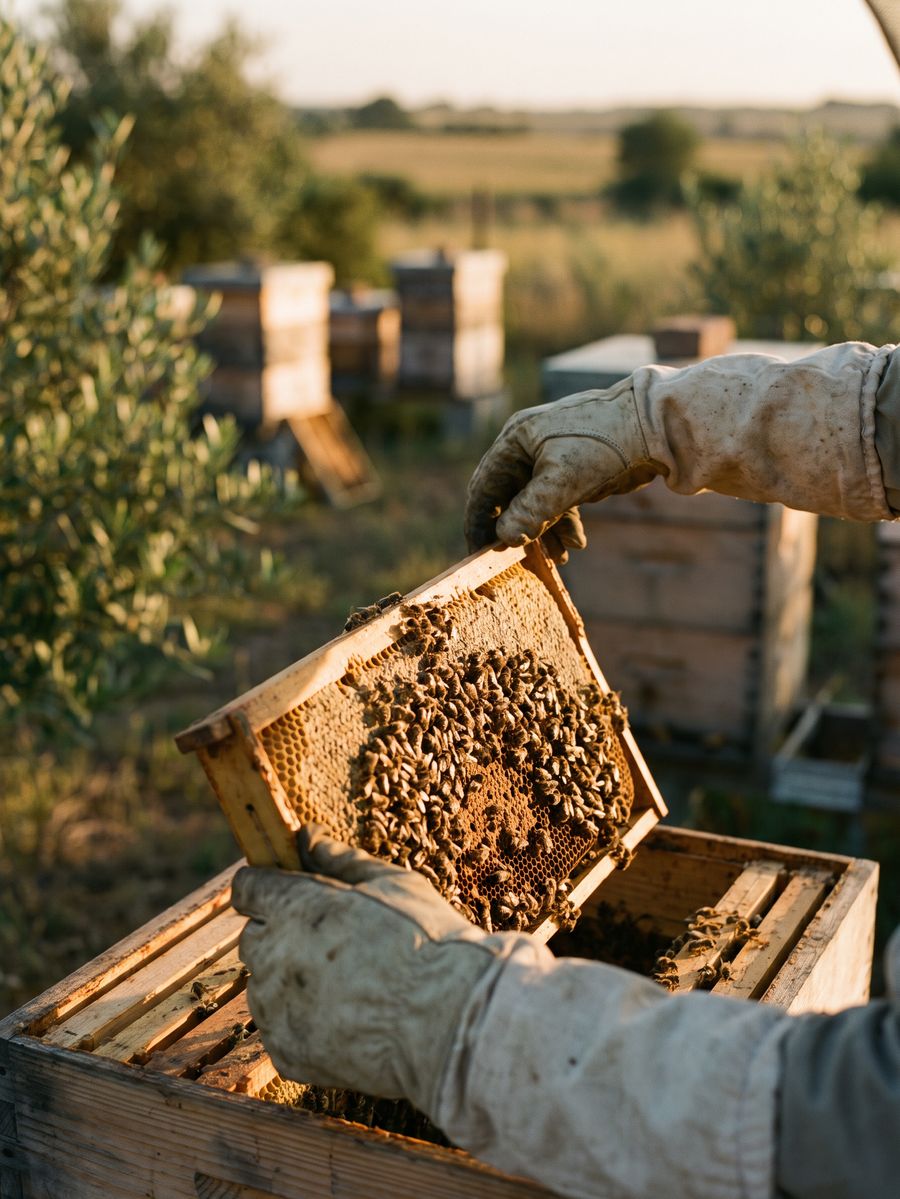
Generic bookkeeping treats a beekeeping operation like any other small business. Honey, wax, nucs, queens, and pollination all land in the same revenue line. Feed and mite treatment get lumped together. Hives never make it onto the balance sheet at all.
You end up with books that satisfy a filing deadline and answer none of the questions that actually decide next season.
Most accounting firms treat beekeeping like any other agriculture. We don't.
What's inside
Not a teaser. The complete structure, with account numbers, so you can build it yourself, hand it to your bookkeeper as the standard, or use it as a checklist against the file you already have.
Nineteen accounts covering bulk and packed honey, wax, propolis and pollen, almond and other pollination, nucs, packages, queens, custom extracting, and program payments.
Feed, treatments, purchased queens, packaging, hive movement, and seasonal crews kept separate from the overhead that exists whether or not you get a crop.
Raised and purchased colonies as separate fixed assets, plus two documented valuation methods and the four things to record every year.
A two-level scheme that produces P&L by class, revenue per hive by yard, and cost per pound — plus the four rules that keep it usable past month two.
Every operating account mapped to Schedule F, Part II, lines 10 through 32, so tax season is a handoff instead of a reconstruction.
Reconciliation, inventory, hive count, and the tax-planning conversations to have with your CPA in November — not April.
Free download
Honey, wax, nucs, pollination and queens, separated properly in QuickBooks. Enter your email and the PDF downloads immediately.
If nothing happened, grab the PDF here.
Want the ten-minute version? Book a free consultation and we'll tell you which two changes matter most in your file.
Book 30 minutes, freeOr call (918) 740-9121.
If you'd rather not do it yourself
We run the books for operations from 50 hives to 5,000 and up, nationwide, in QuickBooks Online and Desktop — alongside the CPA you already trust.
Reconciled accounts and clean statements every month, not a shoebox in March.
Colonies, boxes, extracting equipment, and trucks recorded as the capital they are.
Twelve months built around harvest and pollination timing instead of even monthly averages.
Built right the first time, and your people taught how to keep it that way.
Revenue per hive, cost per pound, net contribution — by yard and by product line.
Your CPA gets a clean package: P&L, balance sheet, depreciation schedule, hive count.
Why a specialist
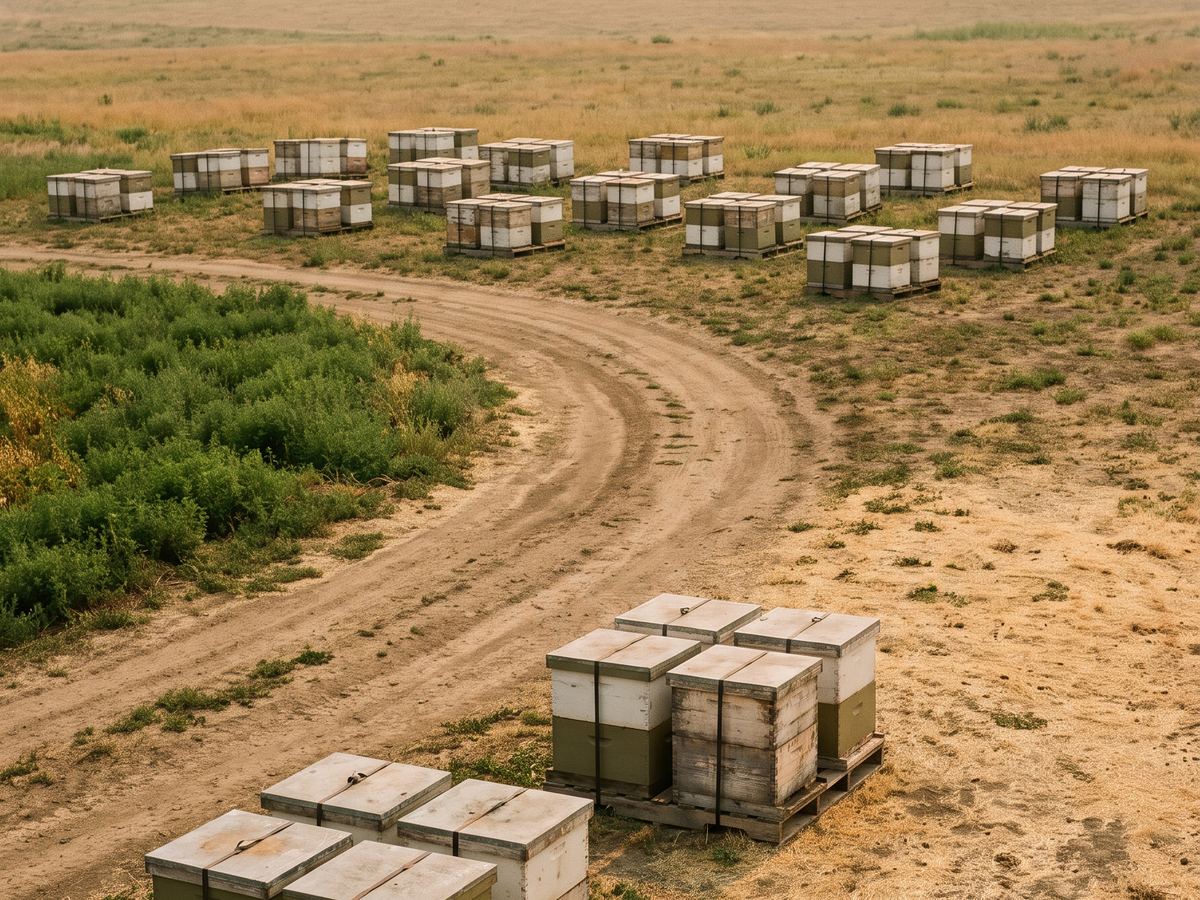
Pollination deposits land months before the work is done. Feed hits hard in fall and again in spring. A generalist reads that pattern as a business in trouble, then a business booming. It's neither — it's beekeeping.
Knowing that difference is the whole job. It's why the chart of accounts in this guide separates a nuc from a queen from a drum of honey, and why 2310 exists for the deposit that isn't income yet.
Get the account structureNo commitment
We look at your current setup, name the two or three changes that would matter most, and you decide what to do with that. If the answer is "do it yourself with the guide," that's a fine outcome.
Questions
Yes. The full 15-page template, no gated second half. If you build it yourself and never speak to us again, the guide still did its job.
No, and it isn't meant to. We keep the books clean all year and hand your CPA a package they can file from. Most CPAs are glad to see us.
Both work. The account structure is the same; class tracking and the setup path differ slightly, and we're certified in both.
Usually the cleanest path is a rebuild effective January 1 rather than a mid-year patch, so the year-over-year comparisons survive. The guide explains how to plan the switch.
No. Fifty hives run commercially is where this structure starts paying for itself. Under 50 and as a hobby, it's more account detail than you need.
We track the costs and keep the accounts right, and coordinate with your payroll provider and your CPA. Ask on the call and we'll be straight with you about scope.
Get in touch
Pick a time on the calendar and we'll call you. Or reach out directly — whichever you'd rather.
Claremore, Oklahoma · Working remotely with commercial operations in every state.